Dec 12, 2025
Bikeloop awarded Norway's best bicycle parking and shows what actually works.
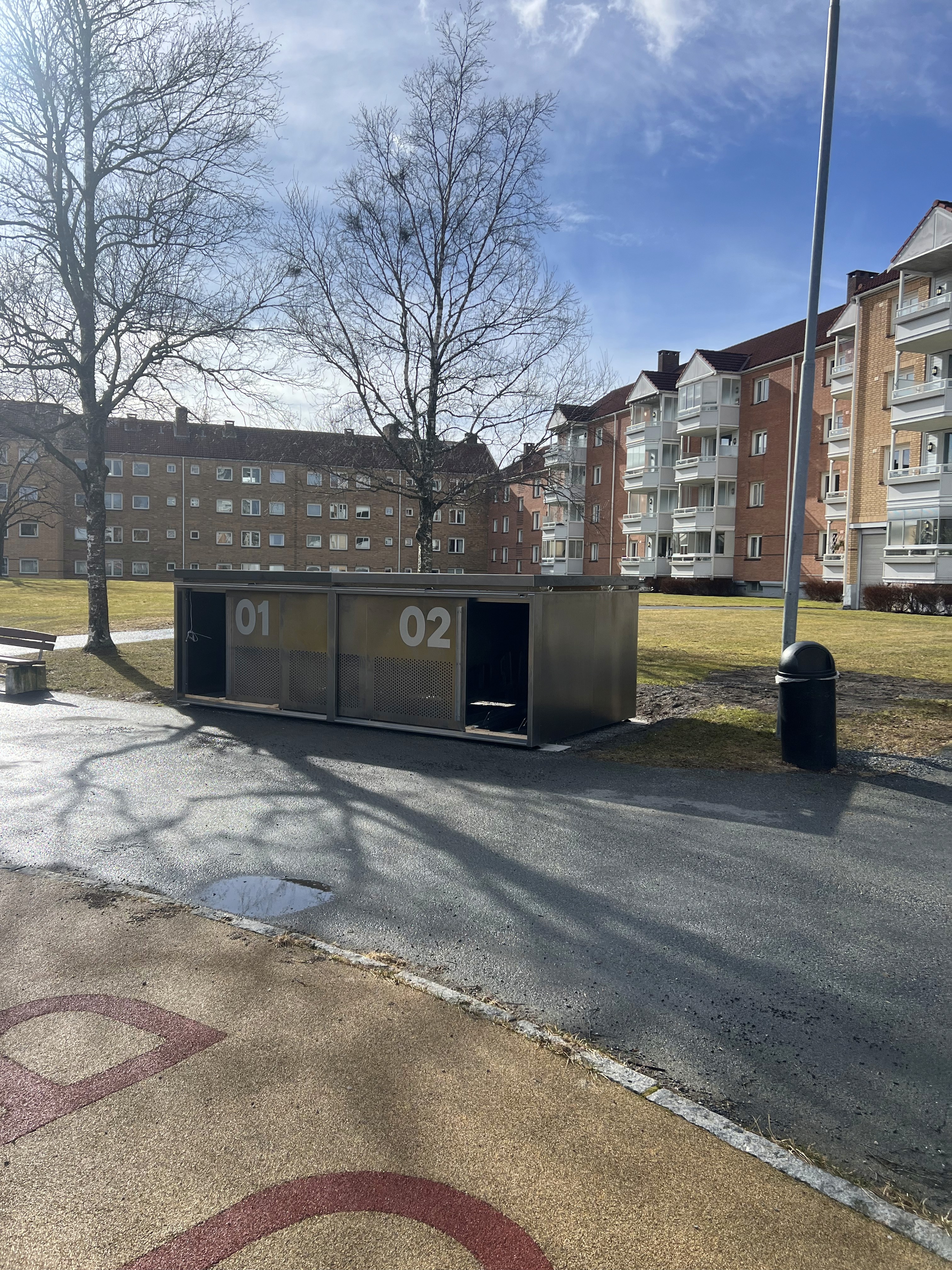
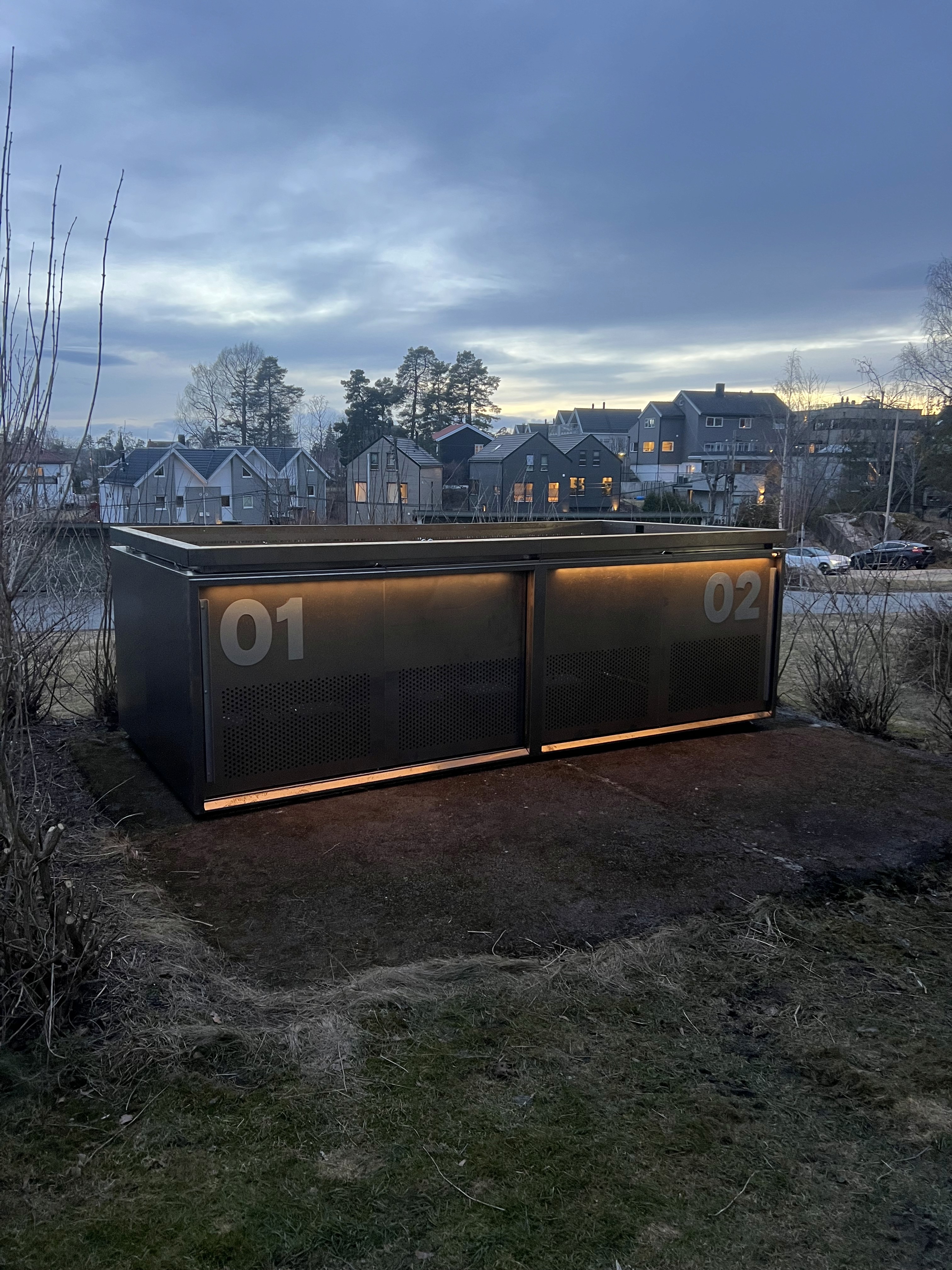
When the closed, smart bicycle parking at UiT The Arctic University of Norway was recently named Norway's best, it was not a rack that was awarded – but a comprehensive solution. The facility combines high security, weather protection, and app-controlled digital reservation and access control. Equally important: It is located where cyclists actually want to park.
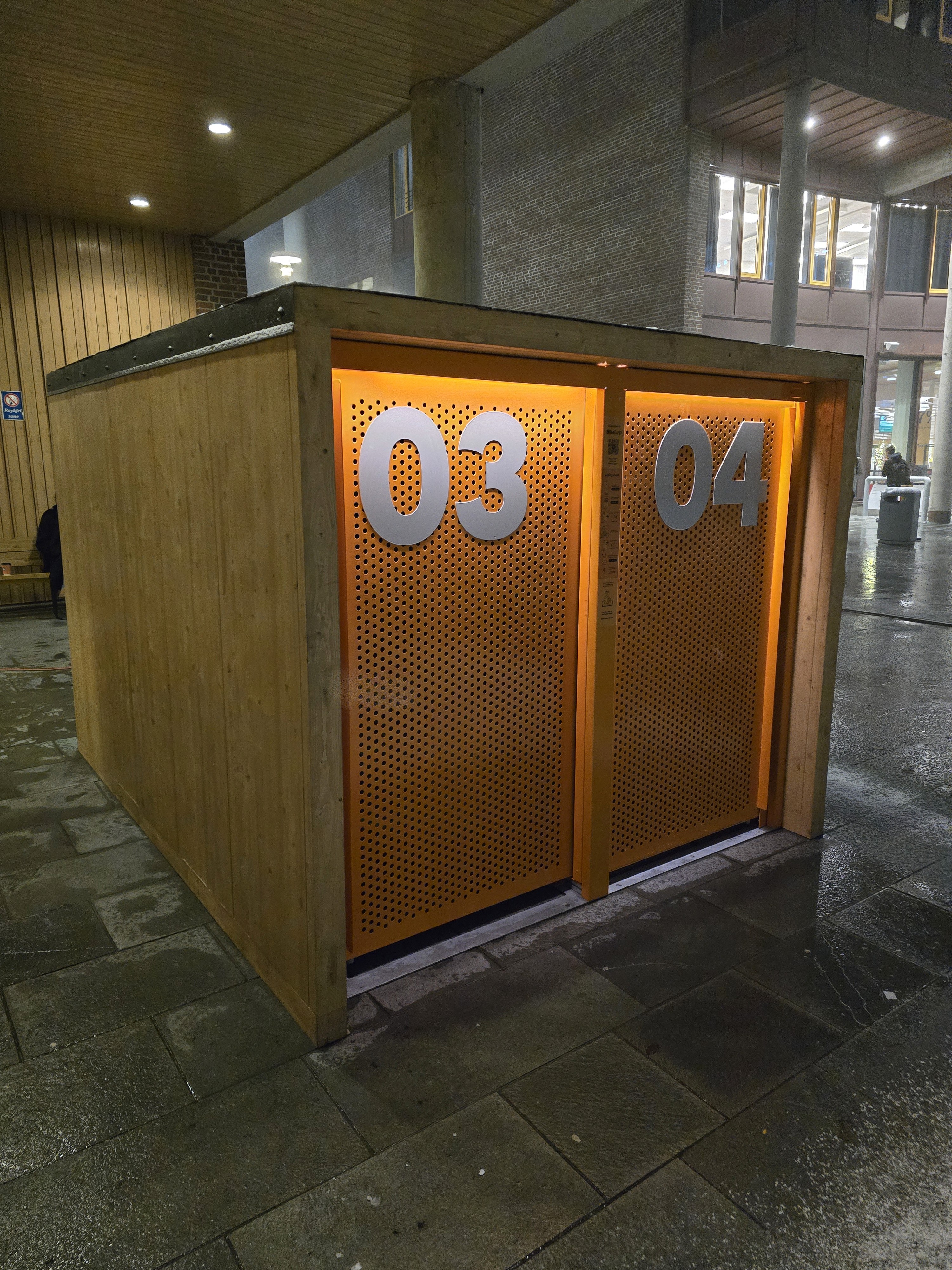
"Bicycle loop for 4 bikes. Nearly full head height, and plenty of space for a large bike. Located at UiT The Arctic University of Norway. Undercover and with street heating. No snow in front of the door in winter. But the best part is that it is 4 meters from the entrance I use."
The award confirms something that both experience and research point to: Good bicycle parking is not just about capacity. It is about quality, safety – and proper placement.
Infrastructure must be built on the cyclists' terms
In many cities, bicycle parking is planned where there is available space – whether it is former car parking spaces or other accessible areas. The problem arises when the placement is determined by what is practical for planning, not what is natural for the cyclist.
The question many cyclists ask themselves is simple: Why should I leave my bike and walk for five minutes, when I could have cycled right to the door?
The strength of the bicycle as a means of transport lies precisely in its flexibility and proximity. If the parking is placed a distance away from entrances, workplaces, lecture halls, or shopping points, one of the bicycle's key advantages is undermined.
Research: Walking distance is crucial
International transport research shows that cyclists are more sensitive to the walking distance between parking and destination than to the cycling distance itself. If the walking distance becomes too long, the likelihood that the planned parking solution will actually be used decreases.
A systematic literature review published in Transport Reviews (Fishman, Schepers & Kamphuis, 2019) shows that accessibility, proximity, and perceived safety are among the most important factors determining whether bicycle parking is used. Locating it close to the destination is a prerequisite for effectiveness.
The Institute of Transport Economics (TØI) has also documented that safe and quality-assured bicycle parking can contribute to increased bicycle usage, especially when the solution is perceived as secure and practical in everyday life (TØI-report 2063/2024).
Research points in the same direction: Bicycle parking must be planned where cyclists have needs – not where there just happens to be space.
Wrong placement can lead to incorrect conclusions
When bicycle parking is established in areas that are not natural destinations for cyclists, there is a risk of low usage. Low usage can in turn be interpreted as a lack of need.
When it is placed incorrectly, good intentions can become symbolic politics without real effect. Even more seriously, low usage can be interpreted as a lack of need – when the challenge in reality is about wrong placement, not a lack of demand.
This can be directly destructive for future investments. If one concludes that "bicycle parking is not used", future investments may be reduced – even though the problem was actually the location.
This is why the solution works at UiT
The bicycle parking at UiT is placed close to entrances and natural movement lines. It offers enclosed and secure parking with digital reservation and access via app. It takes into account climate, safety, and user patterns.
It is not placed where there was available space. It is placed where cyclists actually need to go.
It is precisely this difference that makes the investment effective.
From area-managed planning to user focus
To succeed in increasing bicycle usage, bicycle infrastructure must be built on the cyclists' terms. This involves analyzing movement patterns, entrances, and actual destinations – not just managing available space.
Bicycle parking is not a filler material in the urban space. It is a part of the mobility infrastructure. When planned correctly, it works. When planned based on incorrect premises, it does not.
Norway's best bicycle parking at UiT shows that the right placement, combined with safety and smart technology, is what actually works.
We congratulate UiT The Arctic University of Norway on a well-deserved award. UiT has proven itself to be a forward-looking actor that takes the needs of cyclists seriously and invests in solutions that actually work. We also thank those who proposed Bikeloop and those who voted for us.
Read about the award here:
Bicycle parking in Norway: The good, the bad and the ugly
https://storymaps.arcgis.com/stories/21ba208981774b15a14ade36209d3446
Norway's best bicycle racks can be found at UiT | UiT
https://uit.no/nyheter/artikkel/kortnytt?p_document_id=918552
References
Fishman, E., Schepers, P., & Kamphuis, C. (2019). Bicycle parking: A systematic review of scientific literature on parking behaviour, parking preferences and their influence on cycling and travel behaviour. Transport Reviews.
Institute of Transport Economics (2024). TØI-report 2063/2024 – Bicycle parking and its impact on bicycle usage.