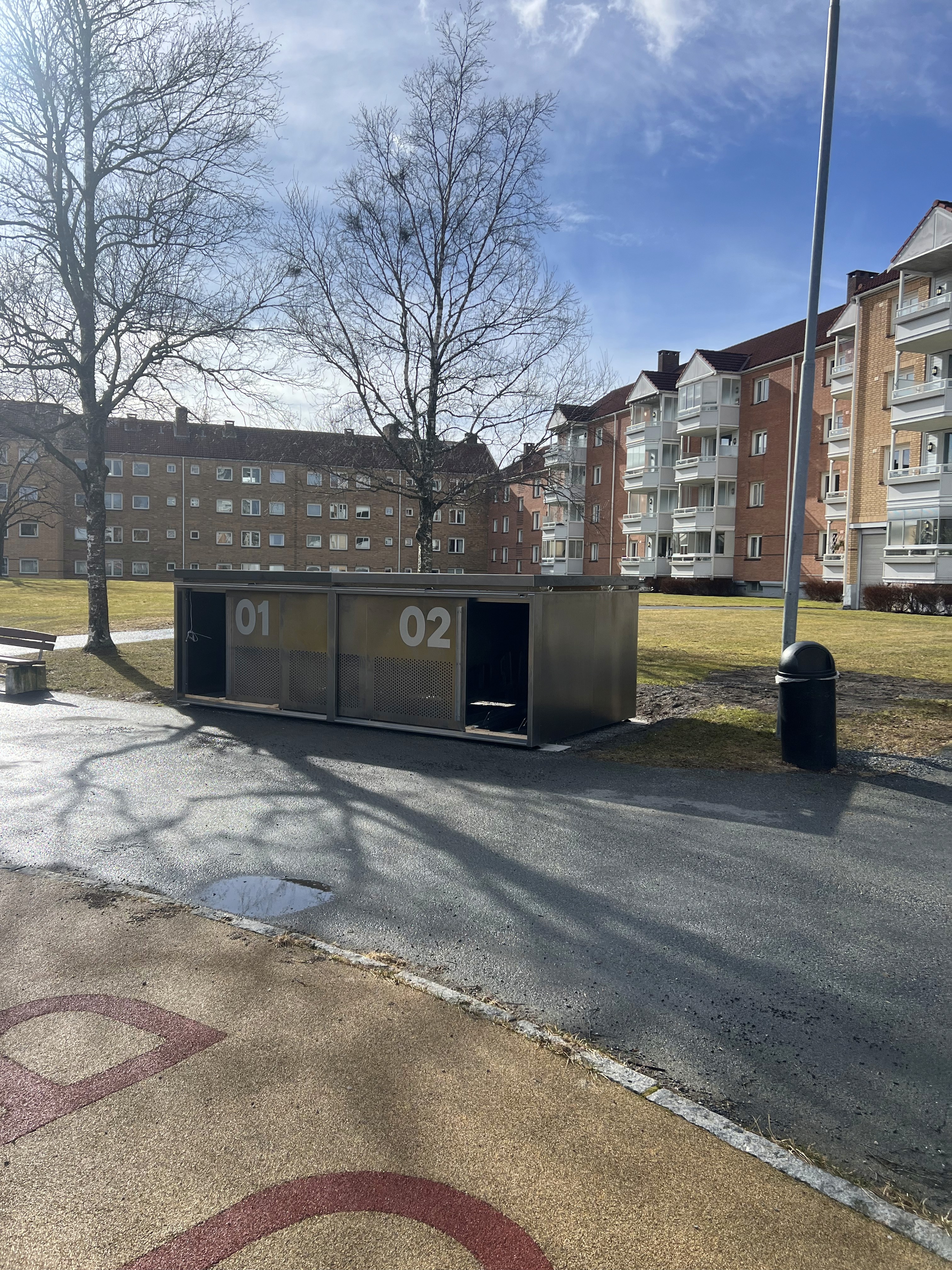
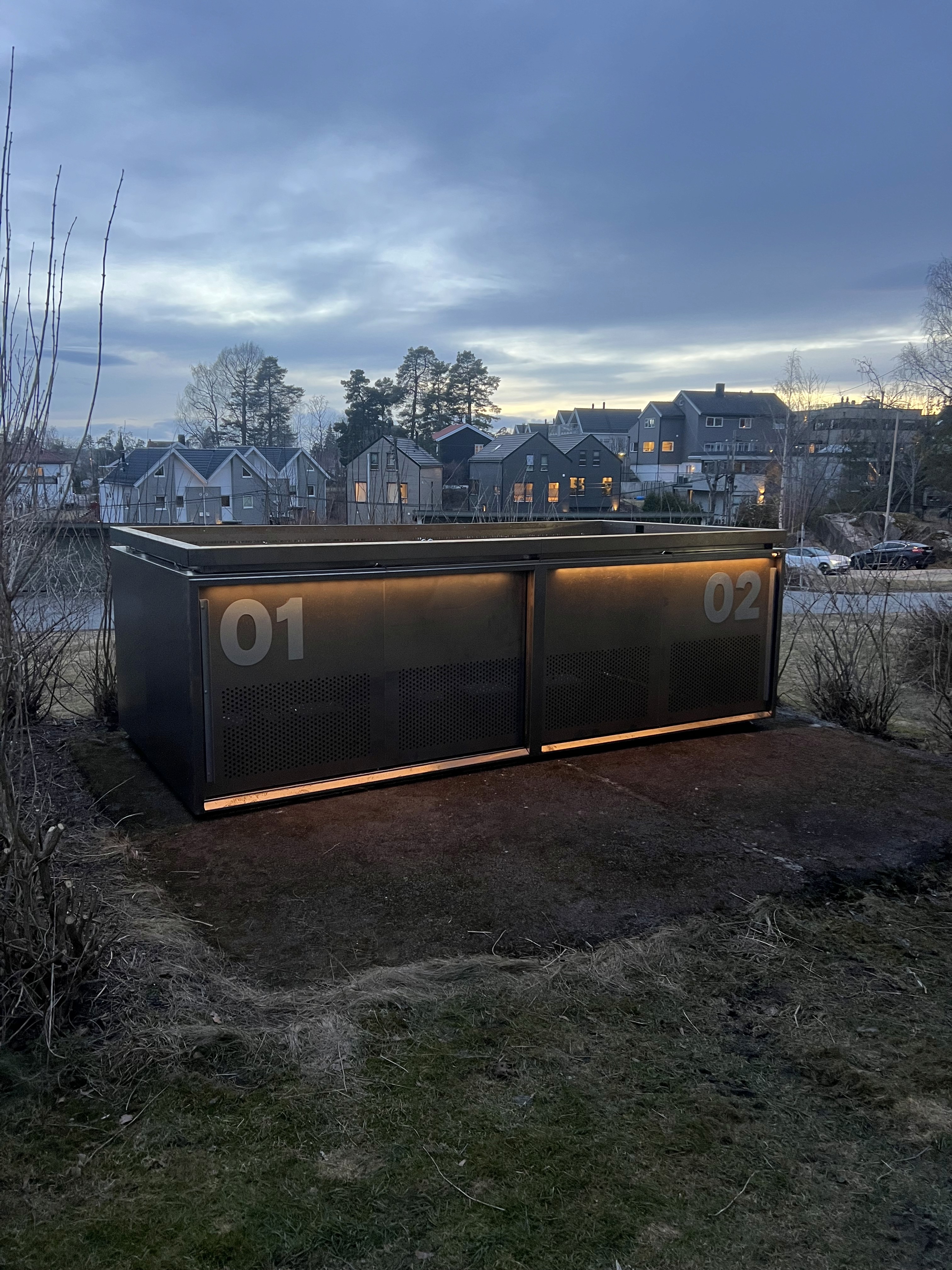
Feb 26, 2025
From requirements to competitive strength - this is how property actors can succeed with bicycle parking
In January, Bikeloop invited the real estate industry to discuss how they can meet the government's requirements for bicycle parking while creating attractive, user-friendly, and safe solutions for tenants and employees. Among the topics covered were the City of Oslo's work on bicycle parking, challenges with increasing bicycle theft, tenants' needs and expectations.
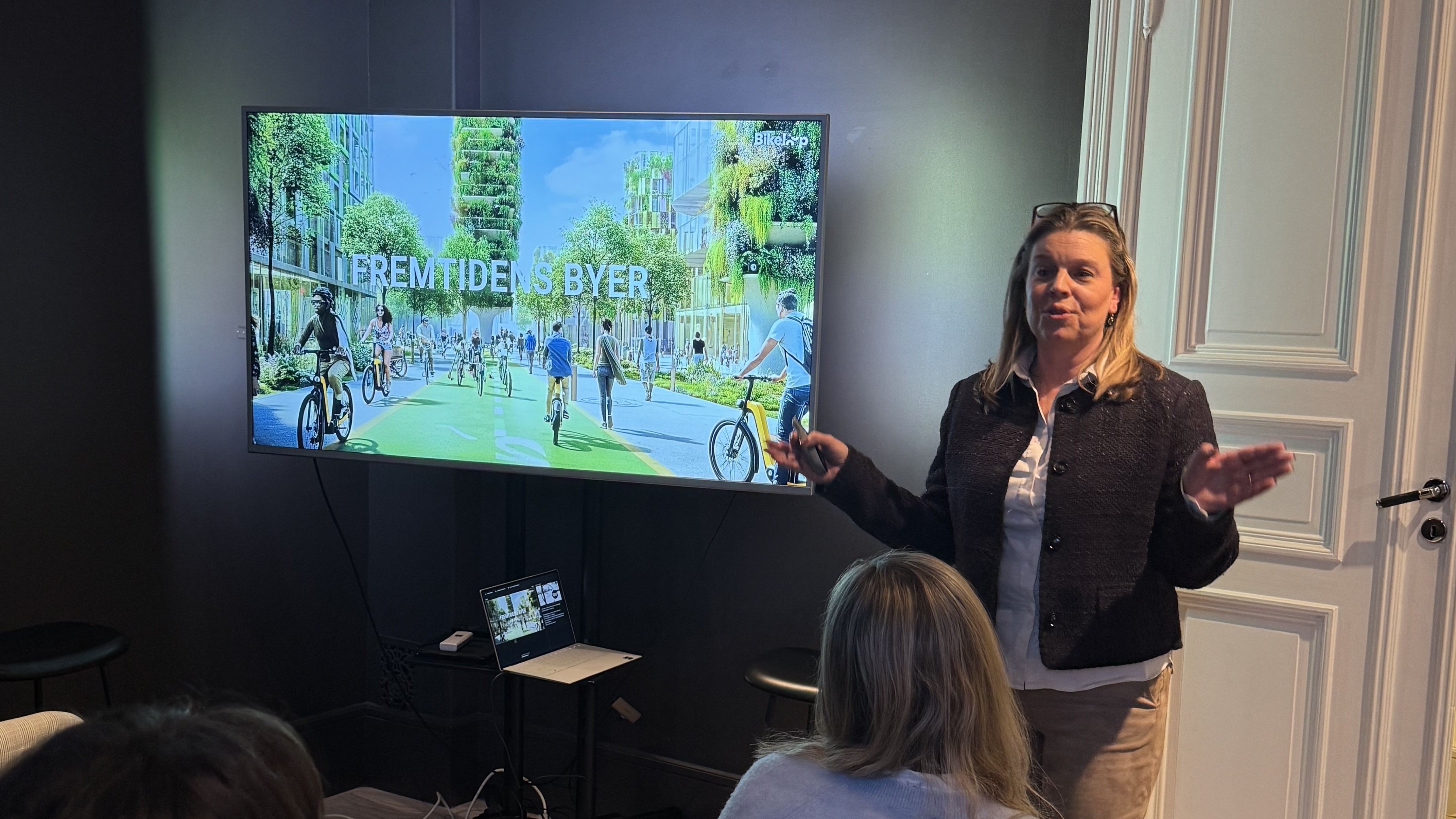
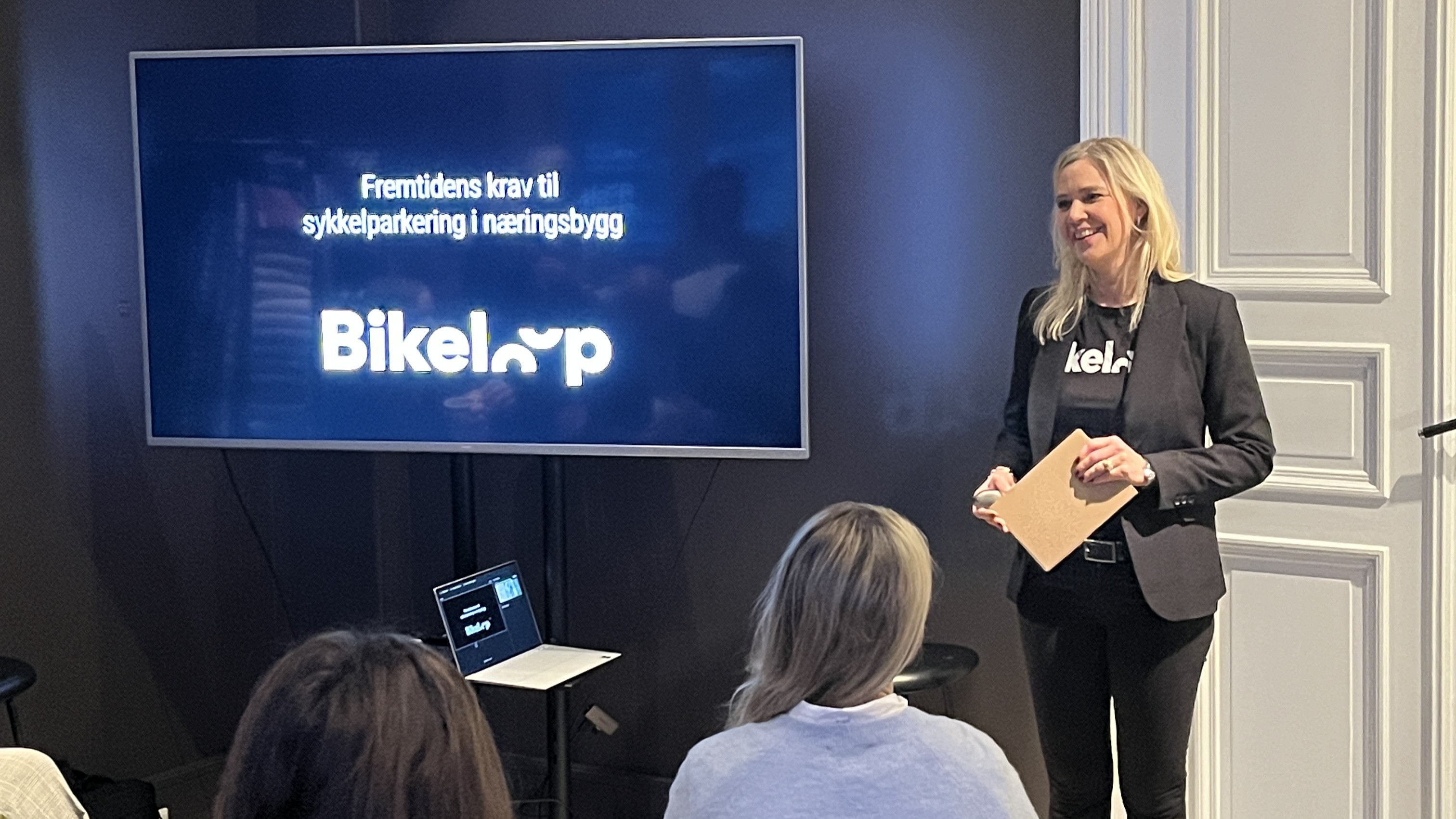
INVITING THE REAL ESTATE INDUSTRY: There were presentations and discussions about requirements for bicycle parking and how to create attractive and safe bicycle parking solutions for employees and tenants. Mona Elisabeth Gladhus from Bikeloop served as moderator during breakfast.
A holistic solution for modern buildings
Hedda Heyerdahl, founder of Bikeloop, highlighted how property developers can strategically use bicycle parking to enhance the attractiveness of their buildings.
– By offering smart and secure bicycle parking, your property can attract more desirable tenants, reduce the need for costly car parking, and improve the building's ESG profile. Sustainability is not just good for the environment – it's good business, Heyerdahl stated.
She presented Bikeloop's holistic solution for the real estate industry, which includes space-saving and flexible bicycle parking systems, an app that makes it easy for tenants to find and use the parking, as well as data and analytics that provide insights into usage and capacity needs.
Additionally, she introduced Bikeloop LINK, a solution that makes any door – whether entry doors, storage doors, garage doors, or bike rooms – smarter and more user-friendly.
– With LINK, you have full control over who has access, which bikes are being used, and you can easily facilitate payments. This provides both increased security and control, while also creating good profitability, explained Heyerdahl.
Hedda Heyerdahl pointed out that an increasing number of commercial buildings view bicycle parking as a value-adding factor, not just a requirement they must fulfill.
Growing need for better bicycle parking
The City Environment Agency provided a status update on bicycle parking in Oslo and pointed out important challenges. A recent survey shows that as many as 47% of residents cite fear of theft as a barrier to cycling, and 52% would cycle more if there were better facilities at the workplace.
– In many places, bicycle parking is poorly adapted to users' needs. We also see that the responsibility regarding bicycle thefts is unclear, said Kim André Åtland from the City Environment Agency.
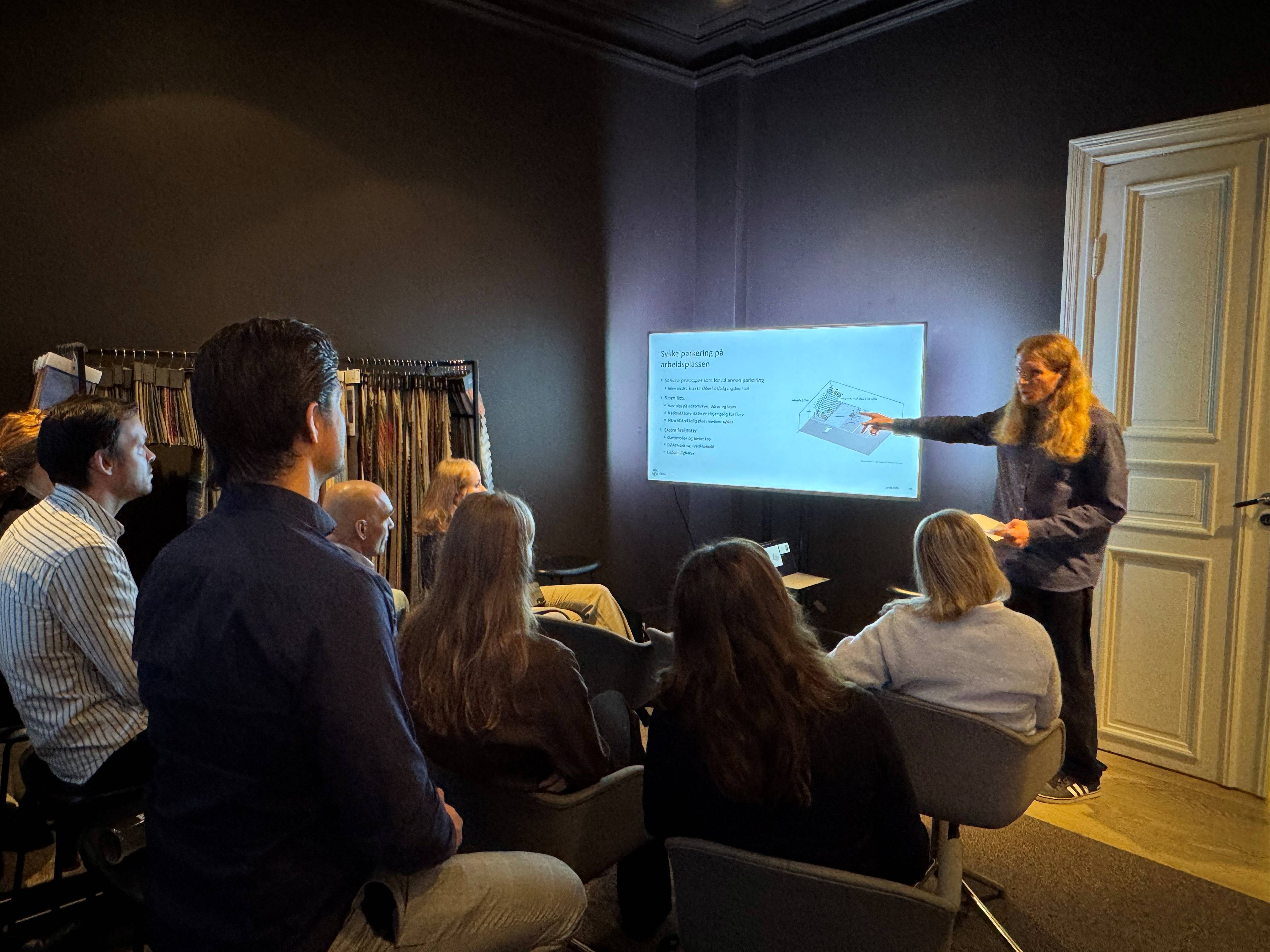
Åtland emphasized that good bicycle parking should be both secure, user-friendly, and close to the entrance to create a seamless experience for cyclists.
Better parking can increase bicycle use and health benefits
The Institute of Transport Economics (TØI) presented results from a large population survey showing that more people would cycle more if bicycle parking were safer and more accessible.
– Six out of ten cyclists in Oslo have experienced bicycle theft. This makes many hesitate to choose cycling, said Kjell Vegard Weyde, a researcher at TØI.
Mellomrom Arkitekturpsykologi was represented by team leader for workplace advisors Sunniva Marie Eriksen Hustoft. She pointed out that good bicycle facilitation is not only about infrastructure but also about workplace culture and habits.
– To create good offices that people will want to cycle to, we need to talk to the people involved – and work strategically and systematically to create changes in habits. Those changes can be facilitated by leaders in Norwegian workplaces, said Hustoft.
She highlighted the health benefits of increased cycling:
– The result? Better health among employees, lower sick leave, and higher productivity!
It was also noted that tenants and employees increasingly demand indoor, secure parking options with easy access and additional facilities such as charging for e-bikes and changing rooms.
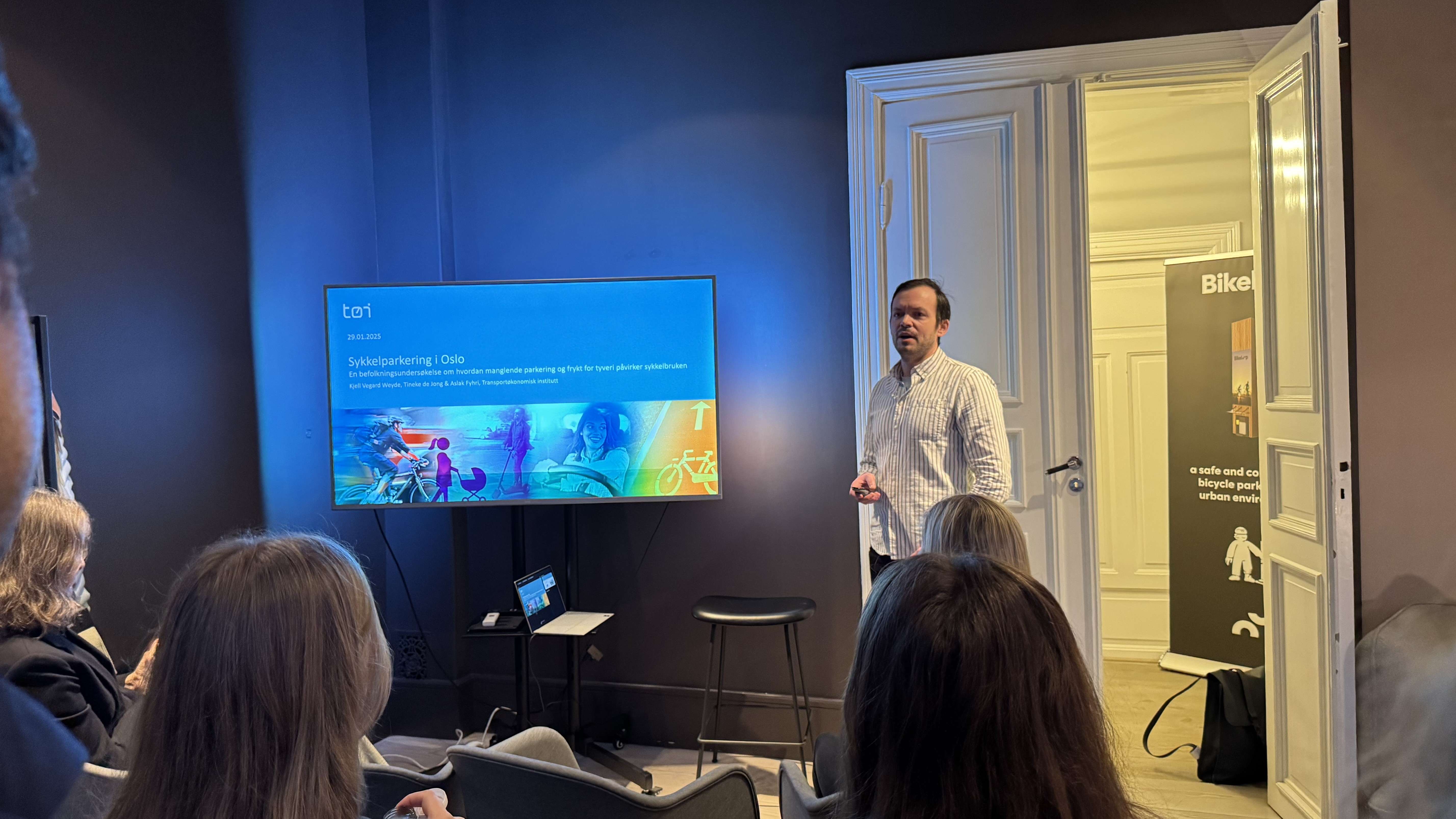
Kjell Vegard Weyde, researcher at TØI, and Sunniva Marie Eriksen Hustoft from Mellomrom Arkitekturpsykologi.
What should property actors prepare for?
Silje Sund, partner at the law firm Schjødt, addressed the legal requirements for bicycle parking and upcoming EU regulations.
– The new EU requirements will mean that commercial buildings with more than 20 parking spaces must allocate at least 15% of the capacity for bicycle parking. For residential properties, the requirement is two bicycle spaces per housing unit, Sund explained.
Furthermore, she emphasized that the City of Oslo's current parking norms also set clear requirements for quality: At least 50% of bicycle parking spaces in larger buildings must be indoors or covered and illuminated.
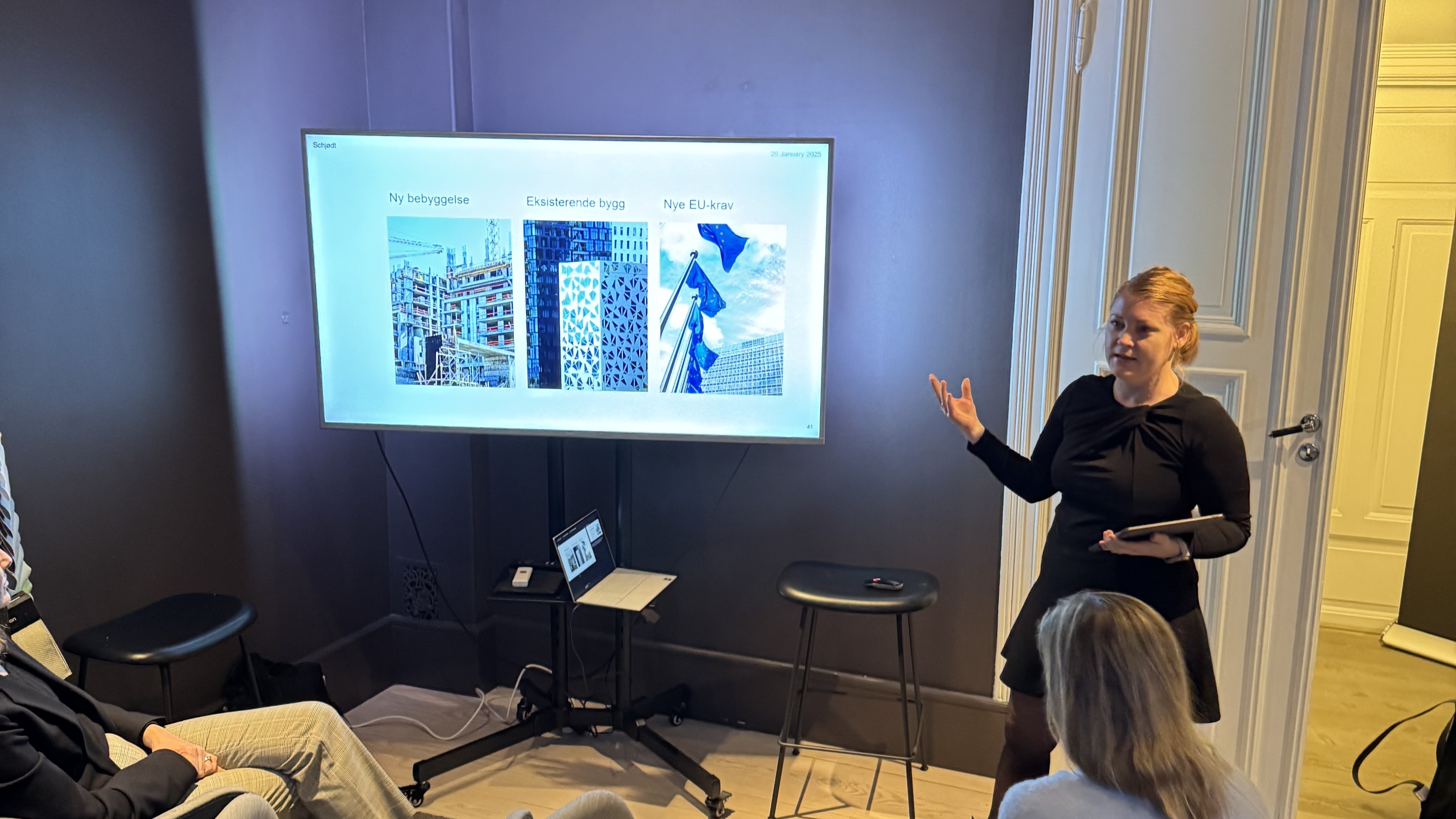
REQUIREMENTS FOR BICYCLE PARKING: Silje Sund discussed the legal requirements.
From requirement to competitive advantage
With increasing demands from both authorities and tenants, bicycle parking is becoming an increasingly important factor for property actors who wish to attract modern, sustainable businesses.
– We make it easy to integrate this into existing buildings and new projects, concluded Heyerdahl.
Bikeloop continues its work to develop smart and secure solutions. The goal is to make it easier for cyclists to park – and for developers and property owners to meet the requirements in an attractive manner.
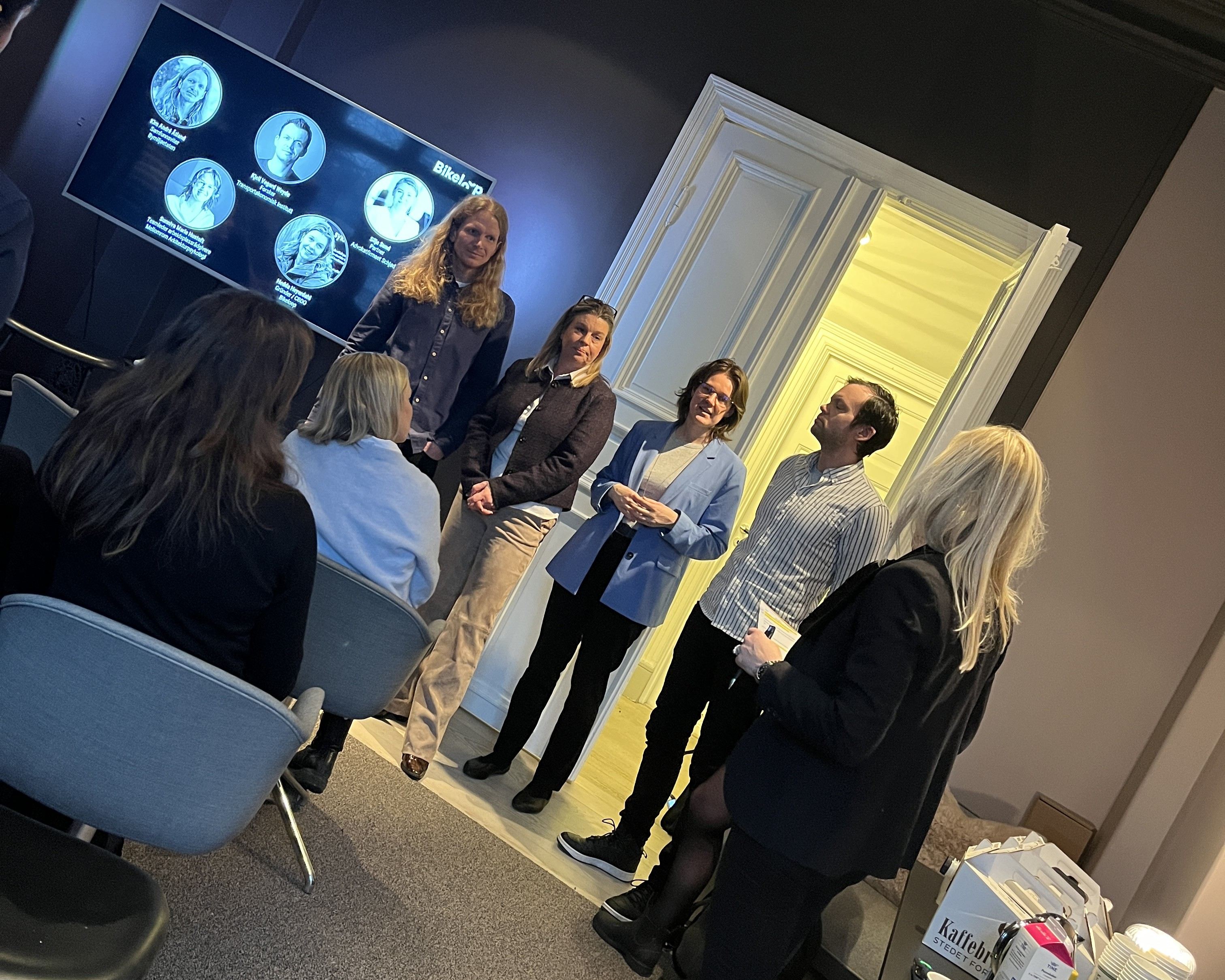
DEBATE ON REQUIREMENTS AND THE NEED FOR SAFE BICYCLE PARKING: From left. Kim André Åtland from the City Environment Agency, Hedda Heyerdahl from Bikeloop, Sunniva Marie Eriksen Hustoft from Mellomrom Arkitekturpsykologi, Kjell Vegard Weyde from the Institute of Transport Economics (TØI), Silje Sund from the law firm Schjødt, and Mona Elisabeth Gladhus from Bikeloop